Japan’s reputation for exceptionally well-preserved used cars is generally well-earned, but it’s not uniform across the entire country — where a specific car actually spent its life matters enormously to its real-world condition, regardless of how clean the overall national reputation might suggest. This guide explains which regions carry genuinely higher rust risk, why coastal and snow-country cars need different scrutiny than cars from Japan’s major metropolitan export hubs, and how to read auction sheet clues that hint at a car’s regional history.
📋 What You’ll Learn in This Guide
- Why Kanto and Kansai cars generally carry lower rust risk
- Which specific regions use significant deicing salt in winter
- Why coastal exposure is a separate risk factor from snow and salt
- How to read auction sheet rust comments
- Why a car’s overall national reputation shouldn’t replace individual inspection
Why Kanto and Kansai Cars Generally Carry Lower Rust Risk
The major metropolitan export regions — Kanto (greater Tokyo) and Kansai (greater Osaka) — generally see milder winters and significantly less road salt use than much of North America or Europe, which is a meaningful part of why cars sourced from these areas tend to show less corrosion than their age alone might suggest. This regional mildness is a large contributor to Japan’s overall reputation for well-preserved used cars, but it’s specifically a Kanto/Kansai phenomenon rather than a blanket description of conditions nationwide.
Where Deicing Salt Actually Gets Used
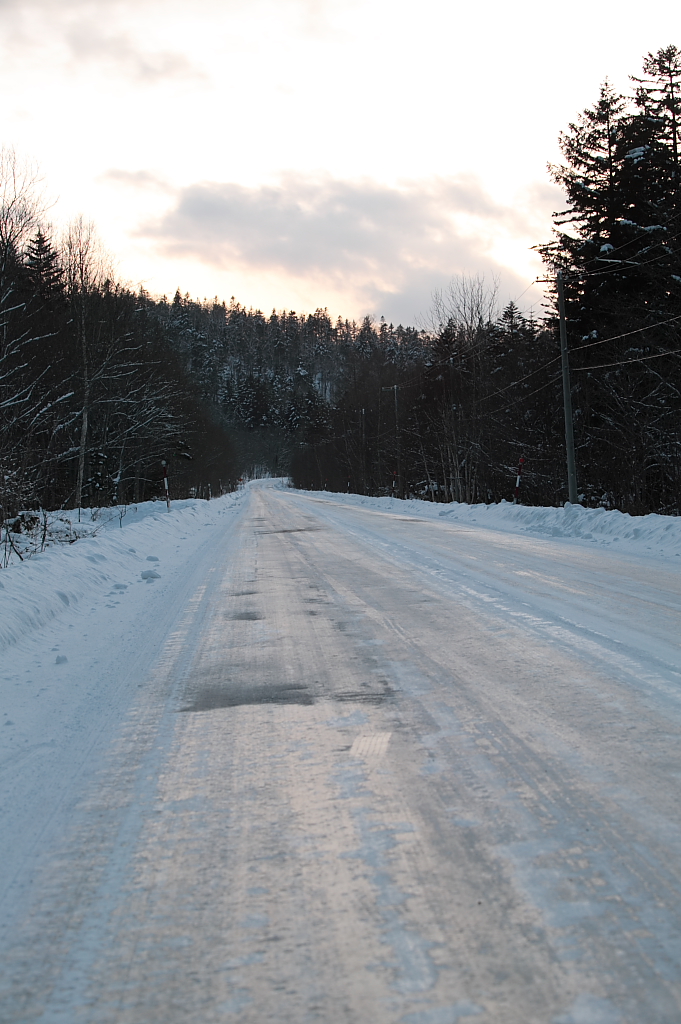
Heavy snowfall regions where deicing agents see genuine regular use are concentrated along the Japan Sea coast and in Japan’s snow country more broadly — this includes the entire Hokkaido region, the Tohoku region, and prefectures like Niigata, Toyama, Ishikawa, and Fukui, along with mountainous areas in several other regions. A car that spent its life in Hokkaido has very plausibly seen meaningfully more road salt exposure over its lifetime than an equivalent car from Osaka, even if both cars are the same age and model.
💡 Tip
Deicing salt causes damage specifically through the combination of salt and moisture accelerating metal corrosion, and it tends to accumulate on a vehicle’s undercarriage and lower body panels through tire spray during winter driving. This means undercarriage inspection matters disproportionately for any car with a plausible snow-country history, even if the visible body panels look clean.
Coastal Exposure: A Separate Risk Factor From Snow
Rust risk isn’t limited to snow-country cars — coastal areas directly exposed to sea spray carry their own, distinct corrosion risk regardless of snowfall or deicing salt use, since airborne salt from ocean spray affects vehicles parked or driven near the coastline over time. Inland regions with generally lower humidity, by contrast, tend to see less corrosion overall. This means a car’s rust risk profile depends on both snow-country history and proximity to the coast as two genuinely separate factors, not a single combined “cold weather” risk category.
Reading Auction Sheet Rust Comments
Japanese auction sheets often include specific handwritten or coded comments about corrosion condition, ranging from a relatively mild note like “rust on undercarriage” to more severe markings indicating significant corrosion. Learning to recognize these specific comments — rather than relying purely on photos or a general condition grade — gives you a more direct window into a car’s actual rust history than overall grade numbers alone can provide, since a high grade for cosmetic and mechanical condition doesn’t automatically account for undercarriage corrosion the same way.
⚠️ Caution
Don’t let Japan’s overall strong reputation for well-preserved used cars substitute for actually checking a specific vehicle’s likely regional history and auction sheet rust notes. That national reputation is real and well-earned on average, but it doesn’t mean every individual car is equally well-preserved — a snow-country or coastal car can absolutely carry more corrosion than its age and mileage alone would suggest.
What This Means Practically for Import Buyers
When working with an auction agent or export agent, it’s reasonable to ask directly about a specific vehicle’s likely regional history where that information is available, and to weight undercarriage photos and auction sheet rust comments more heavily than you might for a car with an unclear or unremarkable origin. This is especially worth doing for any car you can’t personally inspect in person, since a written note about undercarriage condition is often the closest thing you’ll get to a physical inspection.
Frequently Asked Questions
Q: Does this mean I should avoid all cars from Hokkaido or coastal regions?
A: Not necessarily — plenty of well-maintained cars come from these regions, and garage-kept or carefully maintained examples can still be excellent buys. It means these cars deserve more specific scrutiny of undercarriage condition rather than automatic disqualification.
Q: Can I find out exactly where a specific used car spent its life?
A: Full location history isn’t always available, but auction sheets, dealer information, and sometimes direct questions to an export agent can provide meaningful clues, even if a complete, verified history isn’t guaranteed for every vehicle.
Final Thoughts
Japan’s reputation for well-preserved used cars is genuinely earned on average, but averages hide real regional variation that matters to any serious import buyer. Prioritize undercarriage inspection and auction sheet rust comments over general reputation, understand that snow-country and coastal exposure are separate risk factors, and don’t assume every Japanese used car is equally protected from corrosion just because the country’s overall reputation is strong.
Image credit: Ice road in Hokkaido, via Wikimedia Commons (CC BY-SA)

コメント