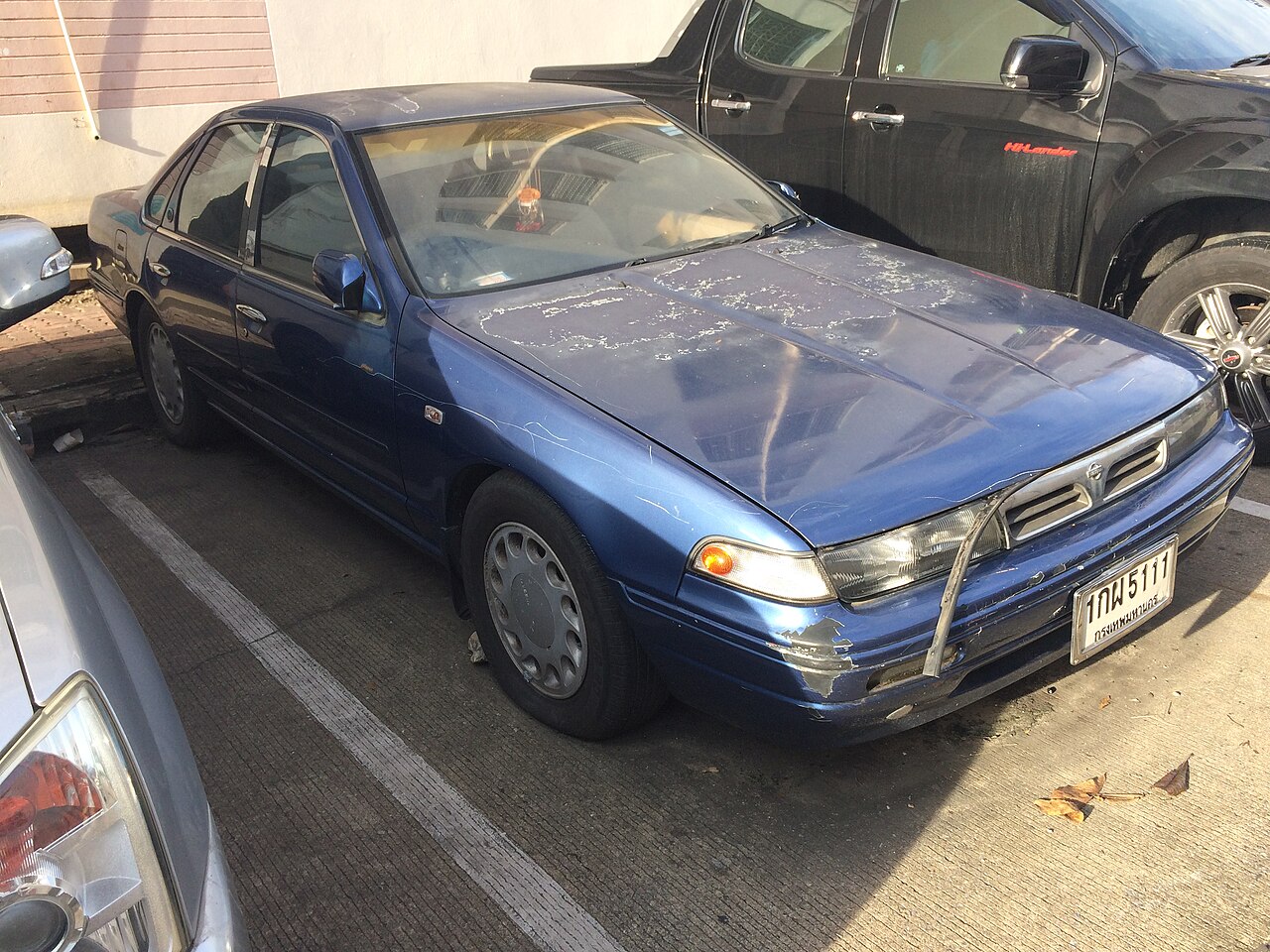
The first-generation Nissan Cefiro (chassis code A31), built from 1988 to 1993, was marketed as a rear-wheel-drive luxury sedan — but because it shares its underlying platform with the contemporary R32 Skyline, it quietly became something else entirely: a genuine favorite of Japan’s touge and underground drift scenes, thanks to a long wheelbase, naturally neutral chassis balance, and an engine bay happy to accept the full range of tunable RB-series inline-sixes. This guide covers which engine variant is actually worth chasing, the RB20DET-specific issues worth checking, and the general body and suspension wear points that show up on this platform after three-plus decades.
📋 What You’ll Learn in This Guide
- Why the A31’s Skyline-derived platform made it a drift culture favorite
- Which of the four engine options is genuinely worth prioritizing
- RB20DET-specific issues to check before buying
- General body and suspension wear points common across the platform
- What to verify in the maintenance records before committing
A Luxury Sedan That Became a Drift Culture Darling
On paper, the A31 was Nissan’s rear-wheel-drive luxury sedan offering, but its shared underpinnings with the R32 Skyline gave it a chassis balance and structural foundation that drift and touge enthusiasts recognized quickly. The combination of a comparatively long wheelbase, naturally neutral handling balance, and genuine compatibility with RB-series engine swaps made it a well-established fixture of Japan’s underground drift battles and mountain-pass driving culture — a reputation earned through actual driving character rather than any factory performance marketing.
Four Engines, One Clear Favorite
The A31 was offered with the naturally aspirated 2.0-liter RB20DE inline-six, the turbocharged RB20DET, the larger 2.5-liter RB25DE inline-six, and a comparatively rare CA20S four-cylinder. Among these, the turbocharged RB20DET is by far the most sought-after: it produces roughly 210 horsepower in stock form and responds well to straightforward bolt-on upgrades like exhaust, intake, and modest boost increases, giving it a genuinely strong tuning foundation without requiring extensive internal engine work to see meaningful gains.
💡 Tip
On any RB20DET example, ask specifically about the Mass Air Flow sensor and its wiring, since this is a commonly reported issue on this engine and can cause driveability problems that are easy to misdiagnose as something more serious. A car with documented MAF sensor and wiring inspection is a meaningfully safer bet than one with no history on this specific item.
RB20DET-Specific Issues to Check
The RB20DET is prone to head gasket issues if the engine has been run hot or overheated at any point in its history, so ask directly about cooling system maintenance and any past overheating incidents. The turbo itself can fail if oil flow to it has been compromised, whether through infrequent oil changes or a developing oil pump issue, so treat turbo spool quality and smoothness as a genuine diagnostic signal during any test drive rather than just a performance detail.
General Body and Suspension Wear Points
Beyond the engine, inspect inner fenders, rocker panels, and subframe mounts carefully, as these are common failure points on surviving A31 examples. Cracked dashboards, worn suspension bushings, and rust near the suspension towers are frequently reported issues, and non-turbo automatic-transmission examples in particular often show tired, worn-out gearboxes after decades of service. None of these are individually disqualifying, but a car showing several together suggests genuine neglect rather than simple cosmetic aging.
⚠️ Caution
Check engine oil directly for metal flakes and any sign of coolant mixing before you commit to a purchase — these are practical, hands-on checks that reveal real information about internal engine condition that a cosmetic inspection or short test drive simply won’t show you, particularly relevant given the RB20DET’s known head gasket and oil-flow-related turbo risks.
What Drives Pricing Today?
Clean, documented RB20DET examples with evidence of timing chain service, recent brake work, and regular fluid changes command the strongest prices, particularly as broader JDM enthusiast interest in Skyline-platform cars has pushed the A31 further into collector attention beyond its original drift-scene reputation. Genuinely unmodified examples with original interiors are becoming harder to find given how many A31s were used hard as tuning and drift project cars over the decades.
Frequently Asked Questions
Q: Is the RB20DET always the right choice over the larger RB25DE?
A: For most enthusiast buyers prioritizing tunability and the platform’s established performance reputation, yes — but the naturally aspirated RB25DE offers more low-end torque with less turbo-related maintenance complexity if you’re prioritizing a simpler ownership experience over ultimate tuning potential.
Q: Does heavy modification history hurt an A31’s value?
A: It depends on execution and documentation. A well-built, professionally documented drift or tuning build can be desirable to the right buyer, but a car with unclear or amateur modification history carries more risk and generally sells for less than a comparable, well-preserved original example.
Final Thoughts
The A31 Cefiro’s reputation as a drift and touge culture favorite is genuinely earned through its Skyline-derived chassis balance rather than manufactured hype, and the RB20DET remains a strong, well-understood tuning foundation. Prioritize documented cooling system and turbo maintenance, check for the platform’s known body and suspension wear points, and verify engine oil condition directly before you commit. Get that right, and the A31 offers a genuinely rewarding rear-wheel-drive ownership experience with real motorsport-adjacent history behind it.
Image credit: 1992-1993 Nissan Cefiro (A31) Sedan, via Wikimedia Commons (CC BY-SA 4.0)
_Sedan_(22-07-2017)_04.jpg)
コメント