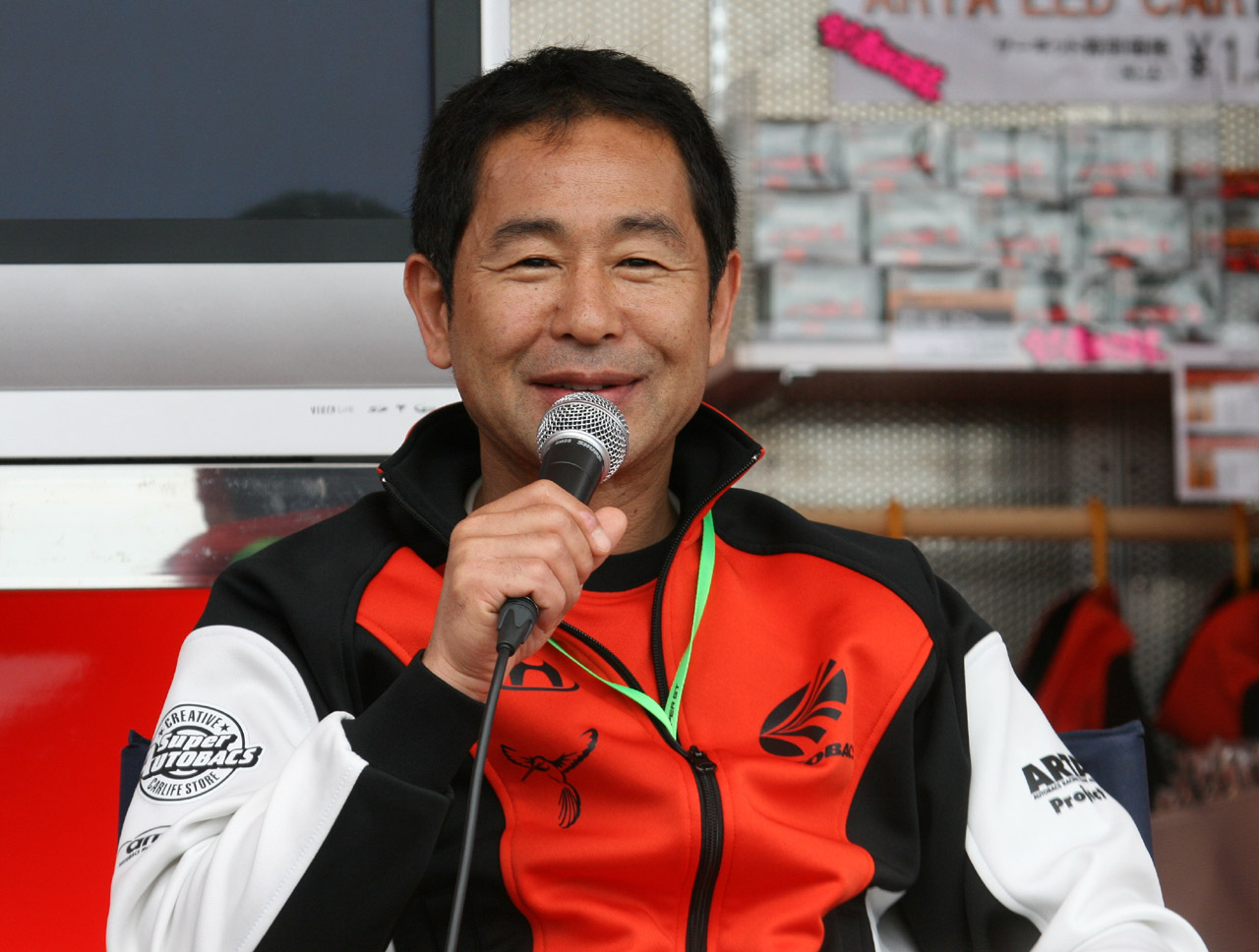
Drift culture didn’t emerge from a corporate marketing plan or a manufacturer’s motorsport division — it grew out of individual drivers pushing their own cars on Japan’s mountain passes, decades before D1 Grand Prix turned it into an organized professional series. Keiichi Tsuchiya, universally known as the “Drift King” or “Dorikin,” is the name most associated with that origin story, but he wasn’t operating in isolation. This guide profiles Tsuchiya alongside two other genuinely foundational figures — Nobushige Kumakubo and Manabu “Max” Orido — and explains what each one actually contributed to drifting’s evolution from illegal street technique to professional motorsport.
📋 What You’ll Learn in This Guide
- How Keiichi Tsuchiya went from street racer to the sport’s defining name
- Why 1987’s “Pluspy” video matters so much to drift history
- How Nobushige Kumakubo built one of drifting’s most important venues from his own family’s land
- Manabu Orido’s path from a magazine-sponsored contest to professional racing
- Why these individual stories matter to understanding drift culture’s roots
- Keiichi Tsuchiya: From Illegal Street Racer to “Drift King”
- “Pluspy”: The Video That Spread Drifting Beyond Japan’s Mountain Roads
- Nobushige Kumakubo: The Driver Who Built His Own Circuit
- Manabu “Max” Orido: From a Magazine Contest to Professional Racing
- Why These Individual Stories Matter
- Frequently Asked Questions
- Final Thoughts
Keiichi Tsuchiya: From Illegal Street Racer to “Drift King”
Born in Nagano on January 30, 1956, Keiichi Tsuchiya’s path into motorsport ran directly through Japan’s illegal street racing scene rather than any formal junior racing program — a background genuinely unusual among the professional drivers who eventually shared the track with him. Influenced by another driver’s unconventional cornering style, Tsuchiya began using drifting specifically as a technique for attacking mountain pass (touge) roads, developing a reputation within the underground scene well before drifting had any formal competitive structure at all.
“Pluspy”: The Video That Spread Drifting Beyond Japan’s Mountain Roads
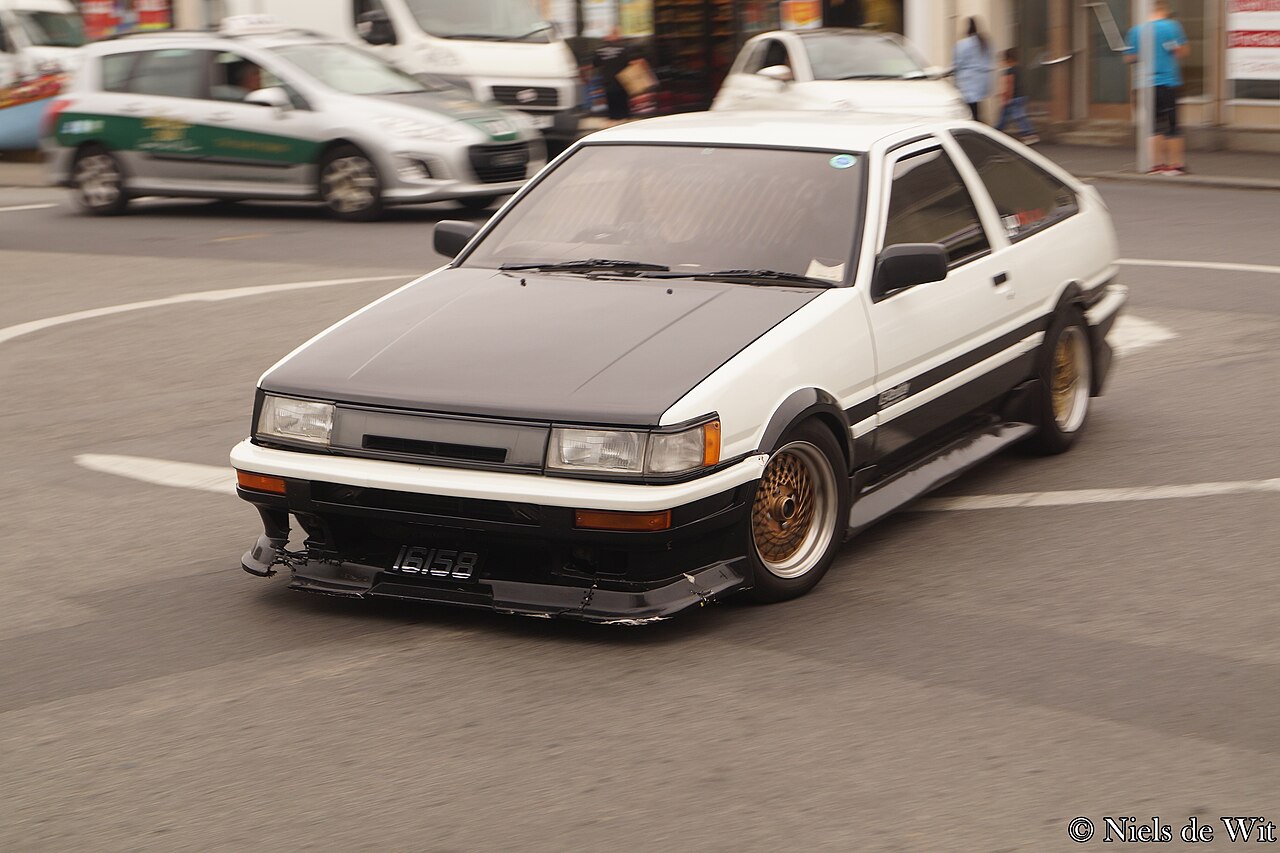
Tsuchiya’s legend crystallized in 1987 with “Pluspy,” widely regarded as the first touge driving video ever recorded, featuring him behind the wheel of his AE86-chassis Toyota Levin. The video’s influence on professional drifters who came after him is difficult to overstate — it captured a driving style and a specific car (the same AE86 platform later immortalized by Initial D) that became foundational reference points for the entire sport as it professionalized in the years that followed.
💡 Tip
If you’re interested in tracing drift culture’s actual history rather than just its modern professional form, “Pluspy” is genuinely worth seeking out as a starting point — it predates D1 Grand Prix by well over a decade and shows the technique in its rawest, most grassroots form, driven by the person most responsible for popularizing it in the first place.
Nobushige Kumakubo: The Driver Who Built His Own Circuit
Nobushige Kumakubo’s contribution to drift culture goes beyond his own driving — born into a family that owned substantial land in Fukushima, he used part of that land to build and develop Ebisu Circuit, a venue that went on to host numerous drifting events and became one of the sport’s most important gathering places. Kumakubo also competed directly in the D1 Grand Prix series and went on to win the championship, driving his recognizable orange Subaru Impreza — meaning he’s one of relatively few figures in drift history who both built essential infrastructure for the sport and competed at its highest professional level.
Manabu “Max” Orido: From a Magazine Contest to Professional Racing
Born in Funabashi, Chiba, on December 3, 1968, Manabu Orido developed his driving skills on the touge roads of Chiba at night, in the same grassroots tradition as Tsuchiya. His breakthrough came in 1991, when he won a drift competition organized by CARBOY magazine — a result that directly propelled him into circuit racing, with his debut at the Fuji Freshman race following in 1992. Orido’s trajectory from a magazine-sponsored amateur contest to professional circuit racing illustrates how closely drift culture’s early competitive structure was tied to Japan’s car magazine industry rather than any formal racing federation.
⚠️ Caution
It’s worth remembering that these drivers built their reputations during an era when much of this driving happened on public mountain roads without official sanction — a context very different from today’s dedicated circuits and organized events. Their historical significance to the sport doesn’t mean that era’s specific driving conditions or legal status should be romanticized or replicated; modern drift culture’s move toward dedicated venues like Ebisu Circuit reflects a deliberate shift toward safer, sanctioned competition.
Why These Individual Stories Matter
Understanding drift culture through these three drivers specifically — rather than through the sport in the abstract — makes clear how much of its foundation was built by individuals working outside any formal institutional structure: a street racer whose driving style became a video that inspired a generation, a landowner who turned his own property into essential sporting infrastructure, and a magazine contest winner who became a professional racer. That grassroots, individual-driven origin is part of what continues to distinguish drift culture from more institutionally organized forms of motorsport, even now that it has its own professional series and global following.
Frequently Asked Questions
Q: Is Keiichi Tsuchiya still active in motorsport?
A: He has remained a significant figure in Japanese motorsport well beyond his drifting origins, including extensive circuit racing experience, though his specific current activities are worth checking through up-to-date sources given how much time has passed since his foundational drift-era work.
Q: Can visitors actually experience Ebisu Circuit today?
A: Ebisu Circuit remains an active, operating drift venue that hosts events and welcomes visitors, making it a genuinely accessible way to see a piece of drift history in person rather than just reading about it — check current event schedules and visitor policies directly before planning a visit.
Final Thoughts
Drift culture’s professional, globally recognized form today owes a direct debt to Tsuchiya, Kumakubo, and Orido — three drivers who, in different ways, turned an unsanctioned mountain-road driving technique into something with real infrastructure, media documentation, and competitive structure behind it. Their stories are worth knowing not just as trivia, but as a reminder that the sport’s professional present grew directly out of genuinely grassroots individual effort.
Image credit: Keiichi Tsuchiya, 2008 Super GT, via Wikimedia Commons (CC BY-SA)


コメント