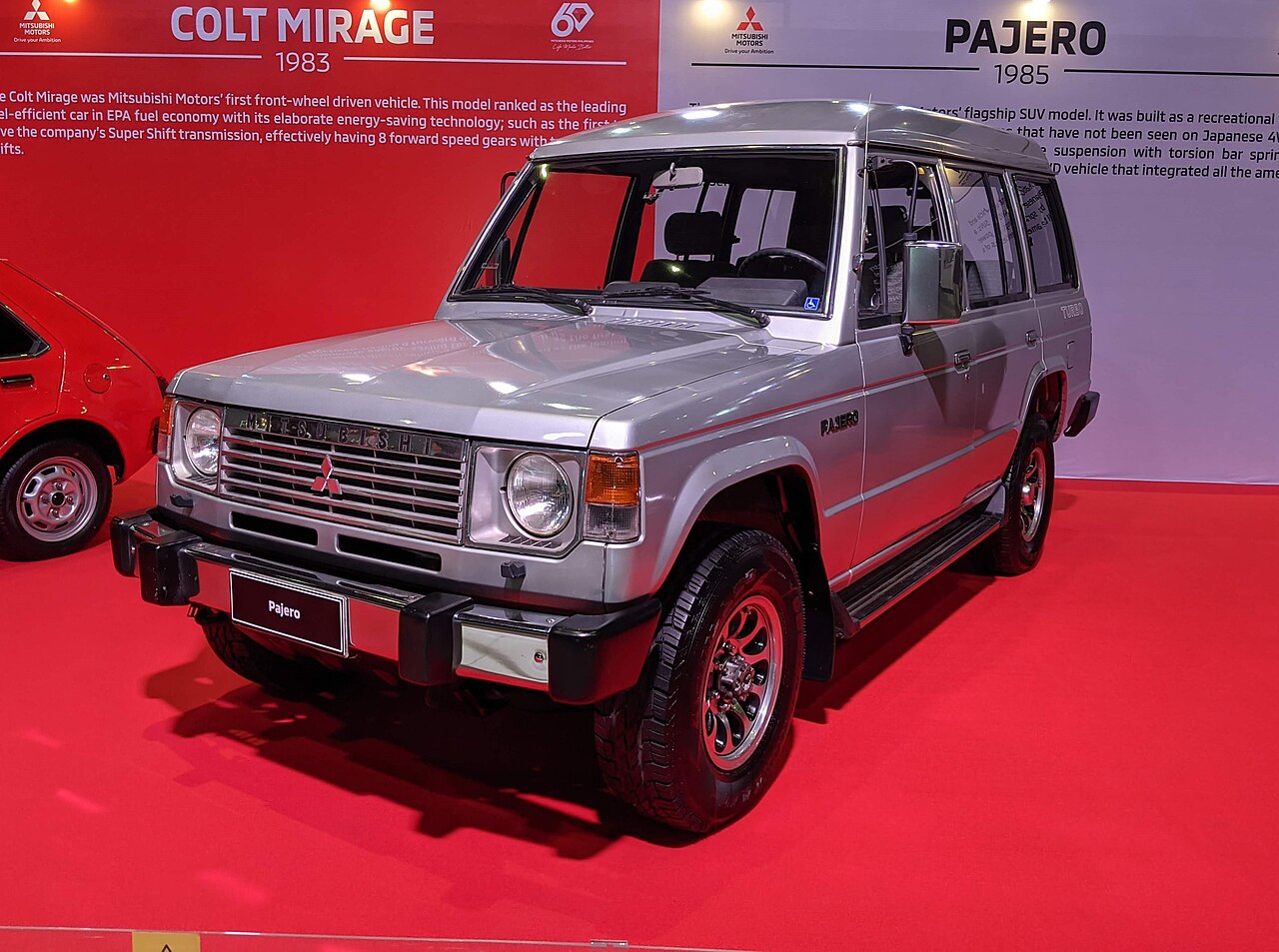
No manufacturer has won the Dakar Rally as many times as Mitsubishi, and the Pajero — sold in some markets as the Montero — is the name that record was built around. Mitsubishi took the Dakar outright 12 times between 1985 and 2007, a total recognized by Guinness World Records as the most of any manufacturer in the event’s history. Across four generations from 1982 to 2021, the Pajero evolved from a genuinely rugged body-on-frame off-roader into a more refined, electronics-heavy monocoque SUV. This guide walks through what actually separates the generations, which engine to prioritize, and the single maintenance item that matters most on any diesel example.
📋 What You’ll Learn in This Guide
- How the four Pajero generations actually differ from each other
- Why the Dakar Rally connection is genuinely earned, not just marketing
- The diesel engine most specialists recommend, and why
- The one timing-related check that matters on every diesel Pajero
- Common gas V6 issues worth knowing about
Four Generations, Four Different Characters
The first-generation L040 (1982 onward) is the classic, boxy body-on-frame 4×4 that started the entire lineage — genuinely rugged but correspondingly basic by later standards. The second-generation V20/V30 is where the Pajero matured and won most of its Dakar titles, striking a widely respected balance between off-road capability and daily usability. The third-generation V60/V70 moved to a monocoque structure and introduced the 4M41 common-rail diesel, while the fourth-generation V80/V90 is the most modern, most refined, and most electronics-dependent version of the lineup. Each generation has a distinct character rather than simply being an incremental refresh of the last, so decide what you actually want — maximum ruggedness, a balance of capability and comfort, or modern refinement — before narrowing your search.
A Dakar Record That’s Genuinely Earned
Mitsubishi’s 12 outright Dakar Rally victories with the Pajero — in 1985, 1992-1993, 1997-1998, and 2001-2007 — represent the most wins by any manufacturer in the event’s history, a record formally recognized by Guinness World Records. This isn’t incidental marketing dressing; it reflects genuine, sustained motorsport investment built directly around the production Pajero platform, and it’s a large part of why the nameplate carries real credibility among off-road enthusiasts beyond simple brand loyalty.
Which Engine to Prioritize
On the diesel side, the second-generation 4M40 2.8-liter turbo diesel gave way to the 4M41 3.2-liter common-rail diesel on the third and fourth generations, and most specialists consider the 4M41 the engine to prioritize — it pulls strongly at low rpm and covers high mileage without complaint when properly serviced. On the gasoline side, you’ll find the 6G72 3.0-liter V6, the 6G74 3.5-liter V6, and the larger 6G75 3.8-liter V6 fitted to the US-market Montero. The safest general starting point for a buyer new to the platform is a documented third-generation V60 with the 4M41 3.2 common-rail diesel, ideally a 2002-or-later build.
💡 Tip
On any diesel Pajero — whether it’s running the 4D56, 4M40, or 4M41 — verify that the timing belt and the separate balance-shaft belt were replaced together, with documented dates and mileage. These are two distinct belts that both need attention, and a seller who mentions only “the timing belt” without the balance-shaft belt may not have had the full service done.
Common Gas V6 Issues to Check
The 6G72 and 6G74 V6 engines are generally regarded as reliable with regular maintenance, but aging intake gaskets and thermostat housings are common wear items worth checking on higher-mileage examples. Neither is a serious structural concern, but both are worth factoring into a pre-purchase inspection and your negotiating position, particularly on cars with unclear maintenance records.
⚠️ Caution
Don’t assume a Pajero’s off-road reputation means mechanical condition matters less than on an on-road-focused car. A genuinely capable 4×4 that’s been used hard off-road for decades can hide real wear in the drivetrain and suspension that a casual inspection won’t reveal — a specialist pre-purchase inspection is worth the cost given how these vehicles are typically used.
What Drives Pricing Today?
Third-generation V60/V70 models with the 4M41 diesel and documented timing/balance-shaft belt service command strong interest given their reputation for both durability and capability, while first-generation L040 examples appeal more to buyers specifically chasing the original, rawest version of the lineage. Rust-free bodies and clean drivetrain maintenance records matter enormously across all generations given how many examples saw genuine off-road use over their lifespan.
Frequently Asked Questions
Q: Is the 4M41 diesel really worth prioritizing over a gas V6?
A: For most buyers, yes — the 4M41’s low-rpm pulling power and high-mileage durability make it the generally recommended choice, though a well-maintained gas V6 is still a sound option if diesel maintenance and fuel availability are a practical concern in your country.
Q: How much does the Dakar heritage actually affect real-world capability?
A: The motorsport program was built directly around the production platform, so the connection is genuine rather than purely symbolic — but remember that rally-spec preparation and a stock production Pajero are still very different machines. Buy based on the specific vehicle’s condition, not the badge’s racing history alone.
Final Thoughts
The Pajero’s Dakar record gives it a rare kind of credibility among off-road SUVs — genuinely earned through sustained motorsport success rather than manufactured for marketing. Decide which generation’s character actually fits how you plan to use the vehicle, prioritize the 4M41 diesel with documented belt service if durability matters most to you, and don’t skip a specialist inspection given how hard many examples have been used. Get that right, and you’ll own a genuinely capable, historically significant off-roader.
Image credit: 1985 Mitsubishi Pajero, via Wikimedia Commons (CC BY-SA 4.0)

コメント