One name connects an unusual amount of foundational Japanese car culture: Daijiro Inada. He founded Option magazine in 1981 to serve Japan’s growing community of modified-car enthusiasts, and the direct-to-video spinoff he launched seven years later — Video Option — became the medium that actually captured drift culture on tape and helped spread it far beyond the mountain roads where it originated. This guide traces how a print magazine’s video offshoot ended up hosting some of drifting’s first organized contests and, eventually, laying the groundwork for D1 Grand Prix itself.
📋 What You’ll Learn in This Guide
- Who founded Option magazine and why
- What Video Option actually was, and why a direct-to-video format mattered
- The 1989 event that put organized drift competition on tape for the first time
- How Video Option’s drift coverage evolved into D1 Grand Prix
- Why this magazine-to-video pipeline matters to understanding drift culture’s spread
- Option Magazine: Print Coverage for a Community That Didn’t Have Any
- Video Option: Taking the Magazine’s Coverage to Tape
- Ikaten: One of Drifting’s First Organized Contests, Filmed From the Start
- From Ikaten to D1 Grand Prix
- Why This Magazine-to-Video Pipeline Matters
- Frequently Asked Questions
- Final Thoughts
Option Magazine: Print Coverage for a Community That Didn’t Have Any
Daijiro Inada founded Option in 1981 specifically to serve Japan’s community of modified car enthusiasts, publishing through San-Ei Shobo Publishing out of Shinjuku, Tokyo, at a time when mainstream automotive media largely ignored the tuning and modification scene. The magazine’s early focus on documenting real tuner builds and road tests gave the modification community a dedicated publication of its own, filling a gap that more conventional car magazines simply weren’t addressing.
Video Option: Taking the Magazine’s Coverage to Tape
In March 1988, Inada expanded the Option brand into a monthly direct-to-video format called Video Option, produced by Sunpro, with Inada himself presenting much of the content — including tuner car road tests conducted on test tracks, on public roads, and even during adventures at Bonneville. The direct-to-video format mattered because it let the publication capture something print simply couldn’t: the actual sound, motion, and visceral experience of these cars being driven hard, which turned out to be exactly the right medium for what would soon become drift culture’s defining content.
💡 Tip
If you’re researching drift culture’s documented history, Video Option’s back catalog is a genuinely valuable primary source — it captured drift driving on tape years before the sport had any formal competitive structure, offering a far more direct window into the era than secondary written accounts.
Ikaten: One of Drifting’s First Organized Contests, Filmed From the Start
In 1989, Video Option hosted one of the very first organized drift contests, called Ikaten, featuring Keiichi Tsuchiya — meaning that one of drifting’s earliest steps toward becoming an organized competitive activity, rather than purely an underground street technique, happened specifically because a video magazine created a venue and captured it on tape. Video Option continued covering drift events, especially its own Ikaten series, for over a decade afterward, building a consistent documented record of the sport’s early competitive development.
From Ikaten to D1 Grand Prix
That sustained coverage eventually led to something bigger: in October 2000, Video Option introduced D1 Grand Prix, initially appearing exclusively on the video series before it grew into the standalone professional drift championship recognized worldwide today. The throughline from Option magazine’s 1981 founding to D1 Grand Prix’s 2000 launch represents nearly two decades of consistent documentation and promotion by the same publication and, in large part, the same founder.
⚠️ Caution
Understanding this history is a useful corrective to the assumption that drift culture spread primarily through Western media like video games or films — while those channels genuinely mattered for international audiences, the sport’s actual documentation and early competitive organization happened years earlier, driven by Japanese print and video media specifically built by and for the domestic modification community.
Why This Magazine-to-Video Pipeline Matters
Option and Video Option’s trajectory illustrates a pattern that shows up repeatedly in Japanese car culture history: grassroots enthusiast media, rather than manufacturers or formal racing federations, often did the actual work of documenting, organizing, and eventually professionalizing emerging driving disciplines. The same publishing culture that produced Video Option and Ikaten also connects to Tokyo Auto Salon’s own origins as a project credited to a tuning magazine’s founder and editor-in-chief — reflecting just how central Japan’s specialist car publishing world was to building the infrastructure around enthusiast car culture more broadly, not just drifting specifically.
Frequently Asked Questions
Q: Is Option magazine still published today?
A: The Option brand has a long publishing history, but verify current publication status directly through San-Ei Shobo or official Option channels, since media landscapes and publication schedules can change significantly over decades.
Q: Can I still find old Video Option footage?
A: Some archival footage circulates among enthusiast communities and on video platforms, though official, complete archives may be harder to access directly — treat any specific footage you find as historically valuable but verify sourcing and context where possible.
Final Thoughts
Drift culture’s evolution from underground mountain-road technique to globally recognized professional motorsport owes an enormous, often underappreciated debt to Option magazine and its Video Option offshoot — a single publication that documented, hosted, and eventually helped organize the sport’s earliest competitive steps. Understanding this history adds real context to why Japan’s grassroots car media culture remains so central to how JDM enthusiasm actually developed, well beyond what manufacturers or formal racing bodies were doing at the time.
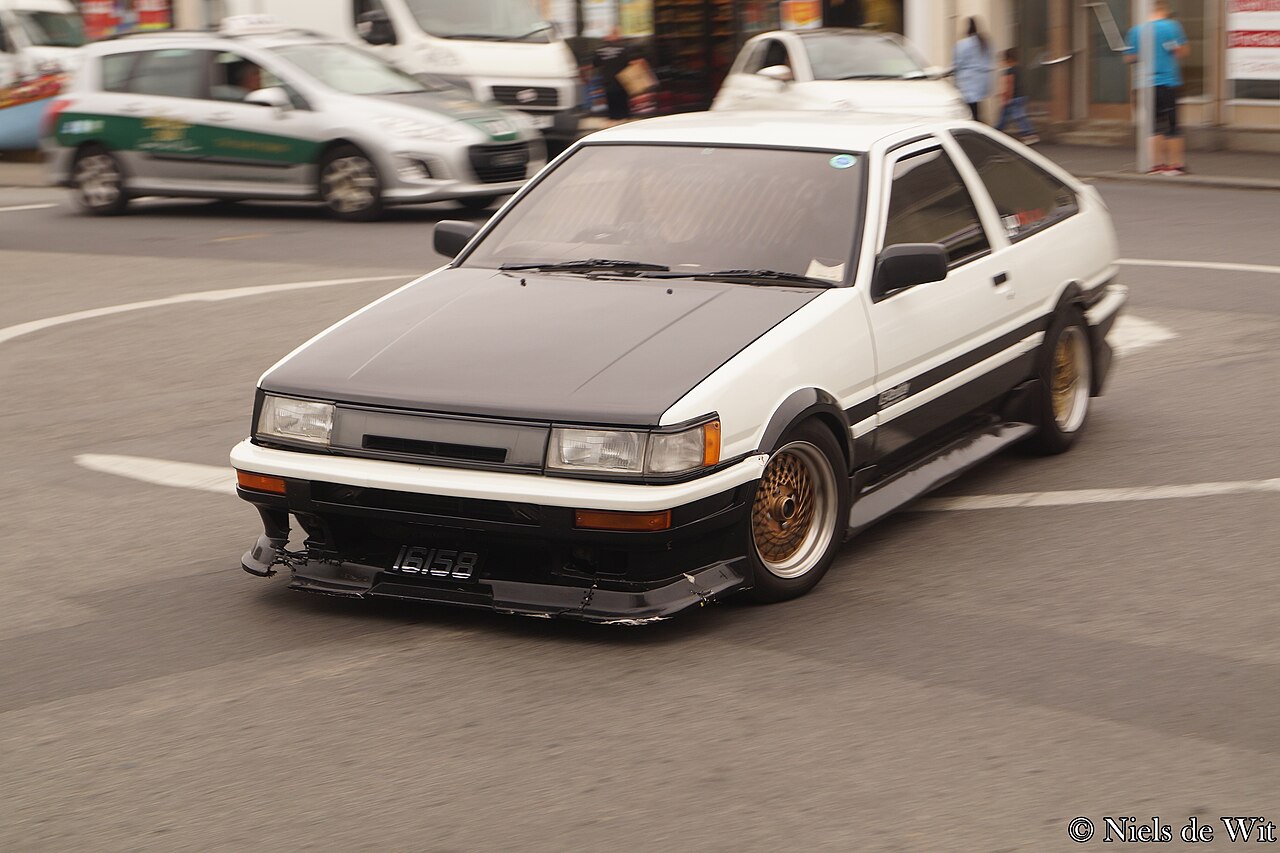
Image credit: 1983-1987 Toyota Corolla Levin (AE86), via Wikimedia Commons (CC BY-SA 2.0)

_(28649733551).jpg)
コメント