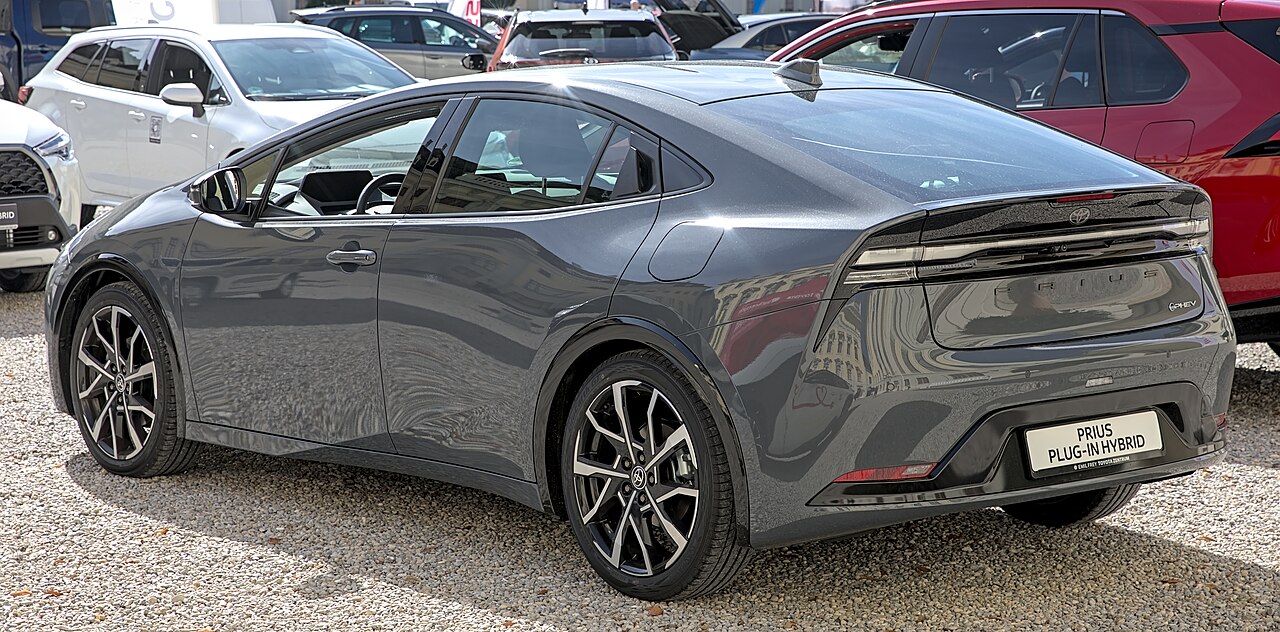
Introduction to Prius Noises
Welcome to the fascinating world of hybrid vehicles, where innovation meets efficiency. The Toyota Prius, a pioneer in this field, stands out not just for its environmental credentials but also for its unique acoustic profile. In this chapter, we’ll explore why hybrid vehicles like the Prius may produce unique sounds compared to conventional vehicles, shedding light on the complexities of hybrid car noises.
Understanding Hybrid Technology
Hybrid vehicles combine an internal combustion engine with one or more electric motors, using a battery pack for energy storage. This dual nature contributes to their distinct soundscapes.
The Role of Electric Motors
At low speeds or in stop-and-go traffic, Prius vehicles often rely solely on electric power. The electric motors produce a whirring sound, distinct from the rumble of gasoline engines. This noise is more pronounced during acceleration or when the battery is being charged through regenerative braking.
Engine Sound Insulation
The Prius is designed with sound-insulating materials to minimize engine noise. However, this also means that other mechanical noises, usually drowned out in conventional cars, might become more noticeable.
Common Noises and Their Causes
Below are some noises specific to the Prius and hybrid vehicles in general, along with brief explanations:
| Noise Type | Description | Possible Cause |
|---|---|---|
| Humming | A low, steady sound that is especially audible at low speeds. | Electric motor operation or power electronics cooling fan. |
| Clicking | A repetitive sound that occurs during starting or stopping the vehicle. | Relay switches or brake actuator. |
| Whining | A high-pitched noise, typically heard during acceleration. | Transmission or electric motor. |
Why These Sounds Matter
Understanding the origin of these sounds is crucial for Prius owners. It helps in identifying normal operational noises from those indicating potential issues. Awareness can lead to early detection of problems and prevent costly repairs down the line.
Identifying Common Prius Noises
One of the first steps in troubleshooting your Prius is to accurately identify the type of noise you’re experiencing. Each noise, from clicking to humming, has its characteristics and potential causes. This chapter provides detailed descriptions and categorizations of noises reported by Prius owners, aiding in the identification process.
Clicking Noises
Description: Sharp, distinct sounds that often occur in a pattern. Commonly heard when starting or stopping the vehicle, or during the operation of the air conditioning system.
Possible Causes: Relay switches engaging or disengaging, brake actuators, or the air conditioning compressor clutch.
Humming Noises
Description: A continuous, low-frequency sound that becomes more pronounced at lower speeds or when the vehicle is stationary.
Possible Causes: Electric motor operation, especially when the vehicle is powered by the battery alone. Also, the sound of power electronics cooling fans can contribute to this humming noise.
Buzzing Noises
Description: A higher-pitched, consistent sound that may increase with the vehicle’s speed or when accelerating.
Possible Causes: Electrical systems under load, such as the inverter/converter assembly, or issues with the electronic power steering system.
Whirring Noises
Description: A soft, high-frequency sound, similar to the noise a computer fan makes. It’s most noticeable during acceleration or when using regenerative braking.
Possible Causes: The electric motor generating power or regenerating energy back into the battery pack. This sound is a normal part of the vehicle’s operation but can be more noticeable in certain conditions.
Diagnosing the Issue
Identifying these noises is the first step towards diagnosing potential issues with your Prius. It’s important to note that some sounds are normal for a hybrid vehicle and may not indicate a problem. However, if you notice a sudden change in the frequency or type of noise, it’s advisable to seek a professional inspection.
Refer to the Toyota Prius owner’s manual for more information on normal operational sounds and consult a certified Toyota technician for noises that are of concern. Remember, your observations are invaluable in maintaining the health and performance of your vehicle.
Diagnosing the Cause of Your Prius Noise
After identifying the type of noise your Prius is making, the next step is to diagnose its cause. This chapter provides step-by-step guidance to help distinguish between noises that are normal for hybrid operation and those that could indicate potential issues. We’ll also cover tips for using diagnostic tools and performing visual inspections.
Step 1: Document the Noise
Details to Note: When and where the noise occurs (e.g., during acceleration, at low speeds, or when turning), the frequency, and any changes over time. This information can be crucial for troubleshooting.
Step 2: Perform a Visual Inspection
Check for Obvious Causes: Look for signs of wear or damage on tires, under the hood, and around the exhaust system. Loose components can often lead to rattling or buzzing sounds.
Step 3: Use Diagnostic Tools
OBD-II Scanner: Plug in an OBD-II (On-Board Diagnostics) scanner to check for any stored error codes that might indicate what’s causing the noise. Many noises associated with engine or electronic system malfunctions will trigger a diagnostic code.
Step 4: Consult Professional Help
If the noise persists or if you’re unable to diagnose the issue using the above steps, it may be time to consult a professional mechanic. Toyota-certified technicians are particularly well-equipped to handle Prius-specific issues.
Understanding Normal Hybrid Noises
It’s important to recognize that some noises are typical of hybrid vehicles. For instance, the humming of the electric motor and the whirring during regenerative braking are normal. However, sudden changes in these sounds or the appearance of new, unfamiliar noises warrant further investigation.
Common Concerns and Solutions
Clicking When Turning: This may be due to the CV joints or axle issues and should be inspected by a professional.
Humming at Low Speeds: Often normal for electric motors, but if the sound changes dramatically, check for obstructions or damage to the wheel areas.
Buzzing or Whining Sounds: These can be signs of transmission issues or problems with the electric power steering. Professional diagnostic tools will help pinpoint the issue.
Diagnosing Prius noises requires a methodical approach, starting with documentation and visual inspection, moving to diagnostic tools, and, if necessary, professional consultation. By understanding which noises are normal and which may signify issues, you can maintain your Prius’s performance and longevity.
Solutions and Fixes for Prius Noises
Identifying the source of your Prius noise is a significant first step. The next phase involves finding the right solution or fix. Whether it’s a DIY project you can handle in your garage or an issue that requires a professional touch, this chapter guides you through resolving both simple and complex noise issues.
DIY Solutions for Common Noises
Clicking Noises: If the clicking noise is from the AC compressor or relay switches, ensure all connections are tight and secure. Loose parts can often be tightened with basic tools.
Humming or Whirring Noises: Regular maintenance checks on the electric motor cooling system can prevent these noises. Ensure the cooling fan is clear of debris and the air intake areas are unobstructed.
Part Replacements
Tire Noise: Worn tires or those with uneven wear can produce excessive noise. Replacing them can significantly reduce road noise. Ensure you choose tires that are known for quiet operation and are suitable for hybrid vehicles.
Brake Noise: Squealing brakes may indicate worn pads or that the rotors need resurfacing. Brake components are readily available and can be replaced by those with moderate mechanical skills. However, ensure you understand the specifics of working on regenerative braking systems.
When to Seek Professional Help
Transmission Noises: Buzzing or whining that points to transmission issues should be addressed by professionals. Transmission work often requires specialized tools and knowledge.
Electronic System Noises: If diagnostic tools indicate a malfunction in the electrical system, professional service is recommended. Hybrid systems are complex and can involve high-voltage components.
Professional Services
Toyota dealerships and certified mechanics have the necessary expertise and tools to handle Prius-specific issues. For complex problems, especially those related to the hybrid system, seeking professional help ensures safety and the longevity of your vehicle.
Tips for Managing Repairs
Warranty Check: Before undertaking any repairs, check if the issue is covered under your vehicle’s warranty. Some hybrid components have extended warranty periods.
Get Multiple Estimates: For non-warranty repairs, getting estimates from several mechanics can ensure you receive a fair price.
Maintenance Records: Keeping detailed records of your vehicle’s maintenance history can assist in diagnosing issues and is valuable if you decide to sell the vehicle in the future.
Resolving noises in your Prius can range from simple fixes you can do yourself to complex issues requiring professional expertise. By accurately diagnosing the problem and understanding your options, you can ensure your Prius remains in optimal condition.
Preventive Maintenance to Avoid Future Noises
Maintaining your Prius not only ensures its efficiency and longevity but also helps in minimizing the likelihood of developing noise-related issues. This chapter focuses on preventive strategies and regular maintenance tips designed to keep your Prius running smoothly and quietly.
Regular Inspections and Servicing
Engine and Hybrid System Check-ups: Schedule regular service appointments to have your engine and hybrid system inspected by professionals. Early detection of potential issues can prevent noises related to mechanical wear and tear.
Tire Maintenance
Rotation, Balancing, and Alignment: Regular tire maintenance is crucial for preventing road noise and ensuring your vehicle operates quietly. Rotate your tires every 5,000 to 7,500 miles, balance them to prevent vibrations, and check alignment at least once a year.
Lubrication
Hinges and Joints: Applying lubricant to door hinges, suspension joints, and other moving parts can prevent squeaks and creaks. Use a silicone-based lubricant for best results.
Brake System Care
Regular Checks: Monitor your brake pads and rotors for wear. Squealing or grinding noises can often be avoided with timely replacements or adjustments. Remember, the regenerative braking system in your Prius may have different maintenance needs compared to traditional braking systems.
Battery Health
Ventilation and Cleaning: Ensure the hybrid battery’s ventilation system is clear of debris and the area around it is clean to prevent overheating, which can lead to noise from the cooling fan working overtime.
Additional Tips for a Quiet Ride
Soundproofing: Consider additional soundproofing if road noise is a concern. This can include adding undercarriage coatings, sound-deadening mats, or even upgrading the window seals.
Avoid Heavy Loads: Carrying excess weight can put additional strain on your vehicle, leading to premature wear and potential noise issues. Only carry what you need for your journey.
By adhering to these preventive maintenance tips, you can enjoy a quieter, more reliable Prius driving experience. Regular care not only preserves your vehicle’s value but also enhances your overall satisfaction with its performance.
この記事は一般的な整理で、特定の車の診断ではありません。車の音の原因は、車種・年式・状態で異なります。気になる音がするときは、取扱説明書を確認し、販売店または整備工場で点検を受けてください。(2026年11月16日、体験談・保証に関する不確かな記述を削除)
アイキャッチ画像: Toyota Prius (XW60) Plug-in Hybrid by Alexander-93, CC BY-SA 4.0, via Wikimedia Commons


コメント